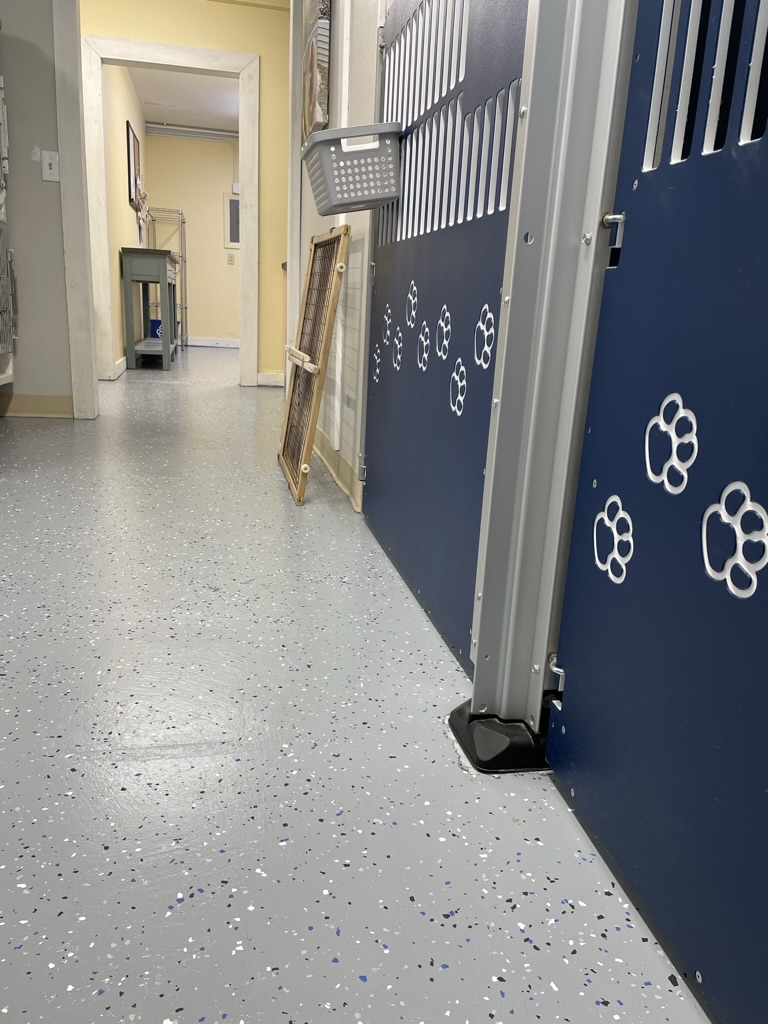
 Classic Boarding
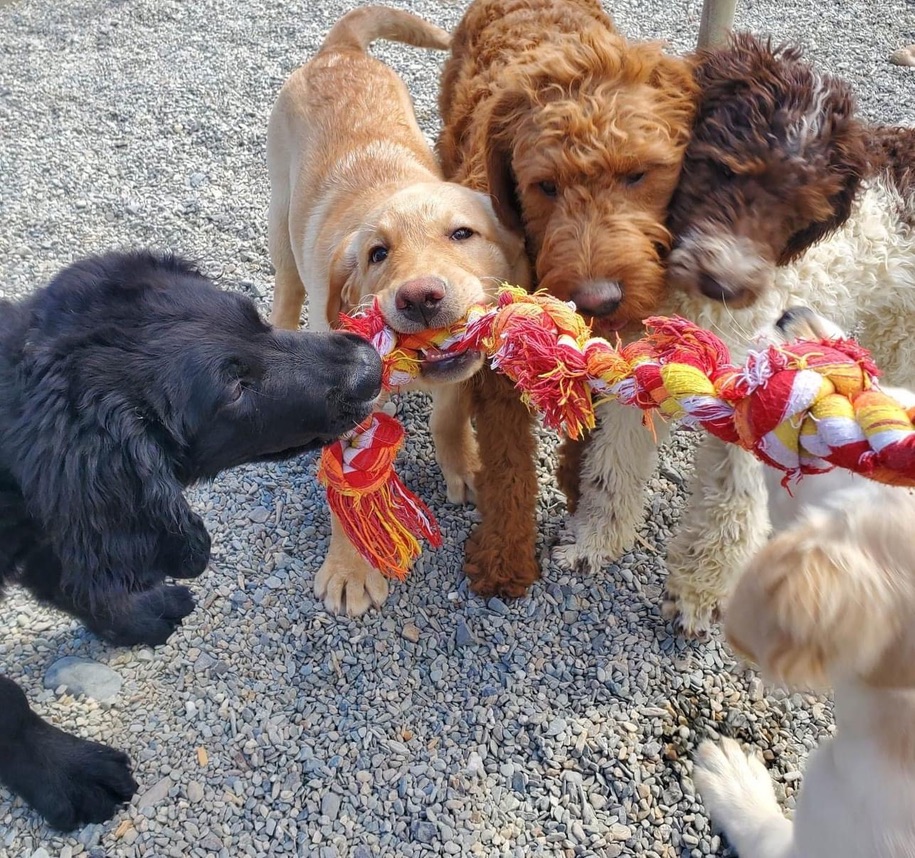 Deluxe
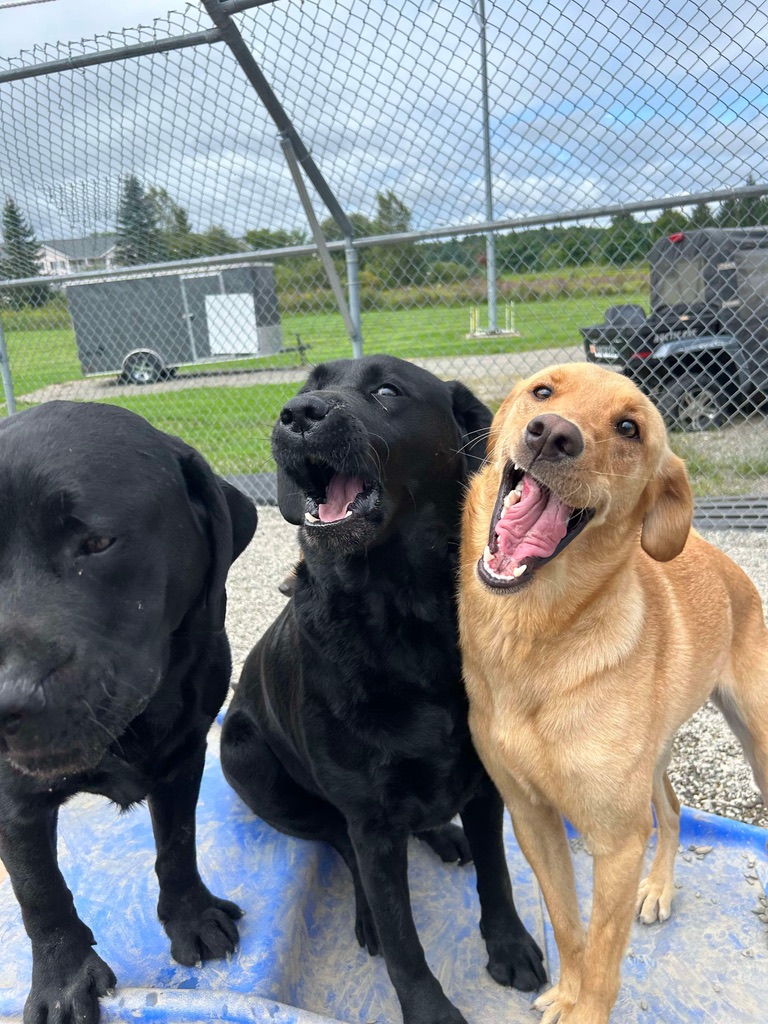 Family Rooms
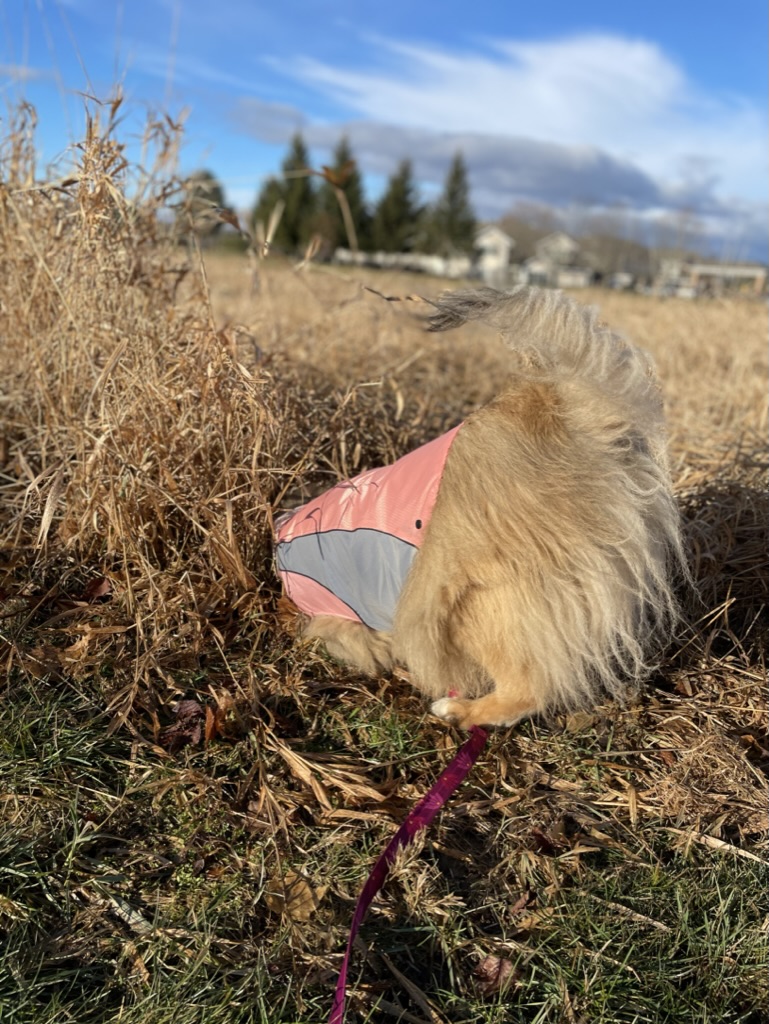 Cuddle Care Loft
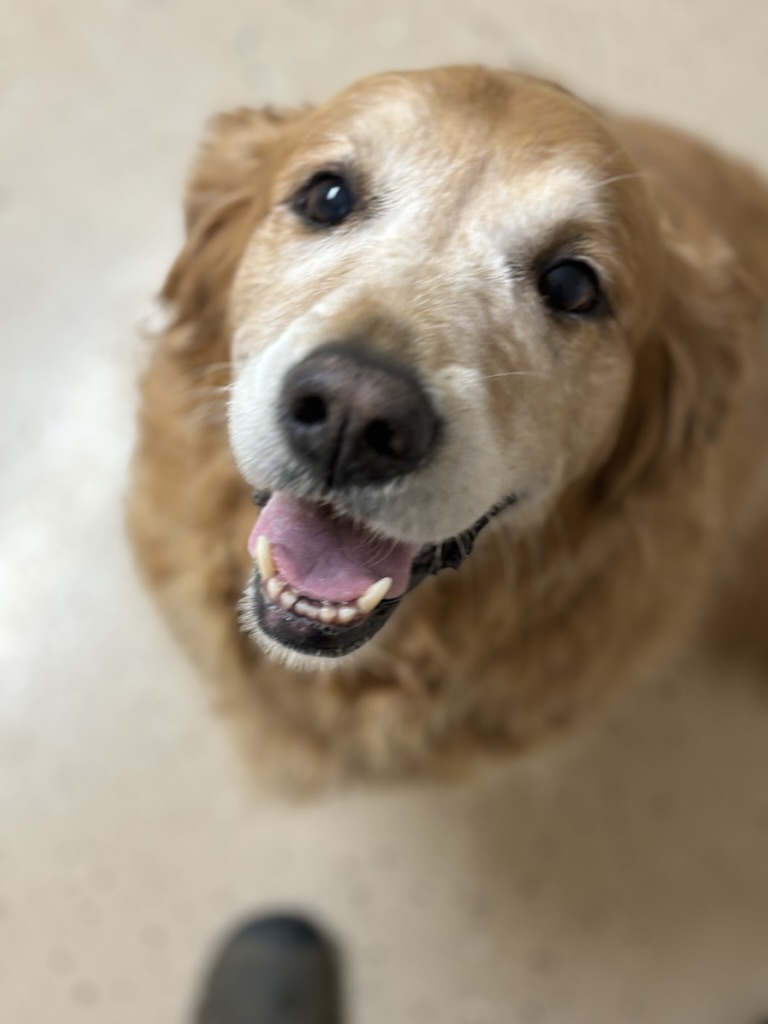 Senior Care
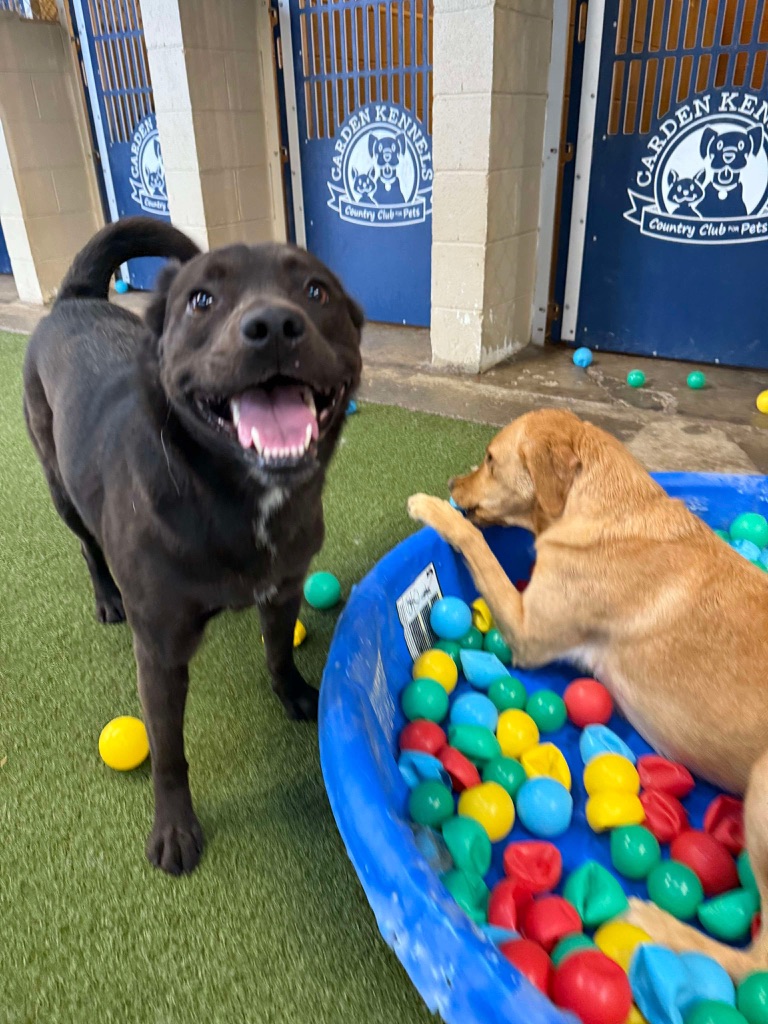 Suites
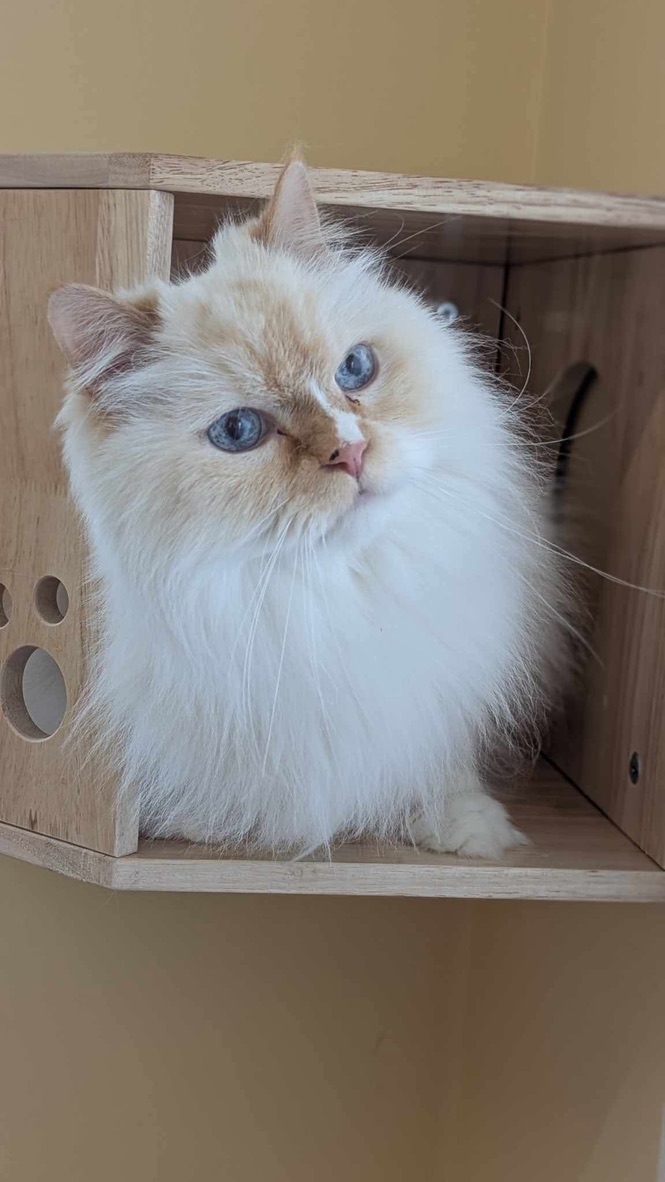 Feline & Small Pets
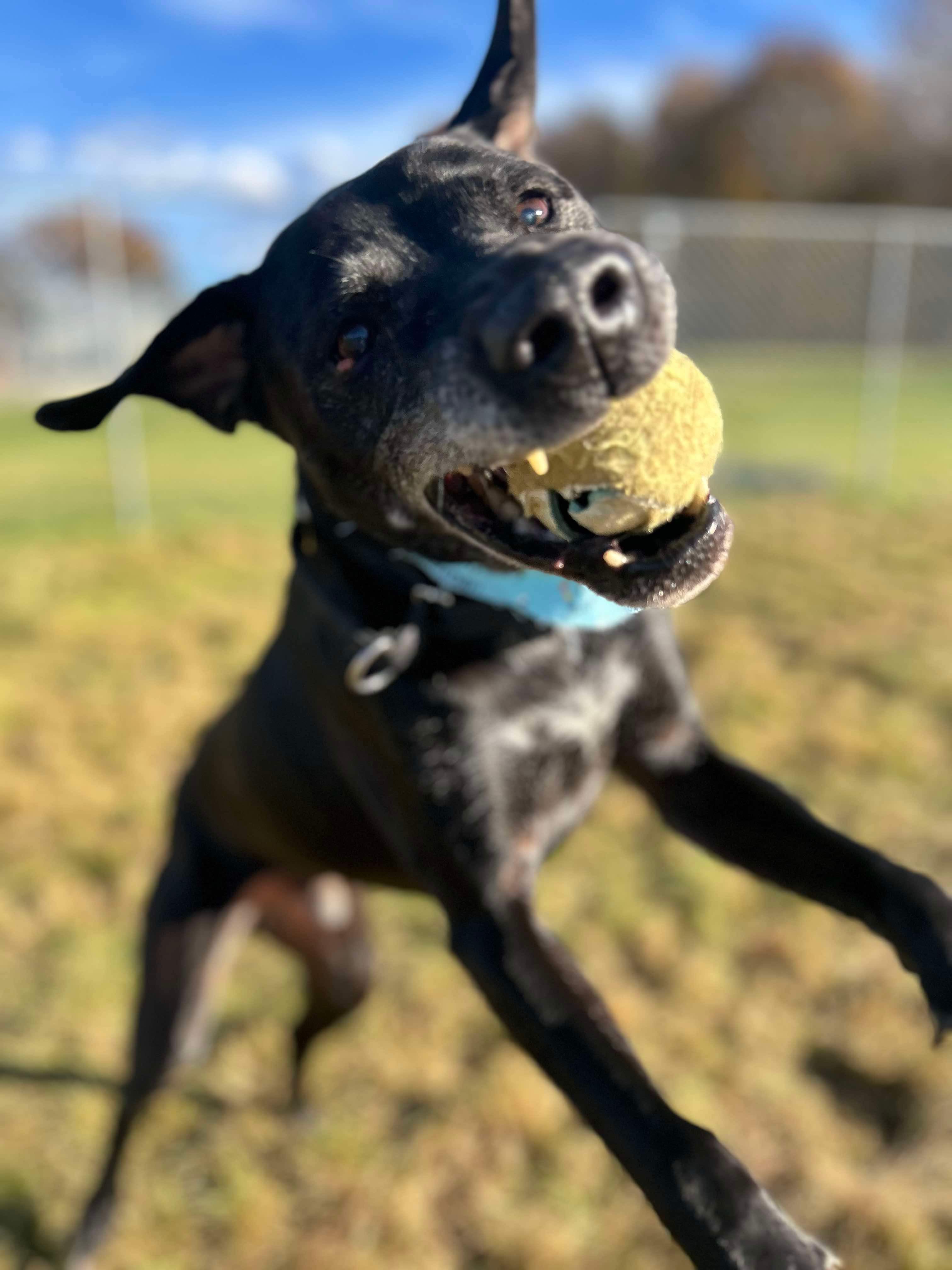 Weekly Packages
 Bathing Services
 Full Grooming
 Ala Carte
Every dog ages differently, but aging is something every dog owner eventually faces. Small breeds tend to live longer and may not show signs of aging until 10 or 12 years old, while larger breeds can enter their senior years as early as 6 or 7. Regardless of when it starts, understanding how to adapt your care as your dog gets older is one of the most important things you can do as a pet owner. Here's what to watch for and how to help your senior dog live their best life.
Recognizing the Signs of Aging
Aging doesn't happen overnight, and the early signs are easy to miss if you're not looking for them. Common changes to watch for include:
- Slower movement — Your dog may take longer to get up from lying down, hesitate before jumping onto furniture, or lag behind on walks.
- Reduced enthusiasm for activity — A dog that used to sprint to the door at the jingle of a leash may now approach more slowly or seem less interested in long outings.
- Hearing and vision changes — You might notice your dog not responding to calls from across the room, bumping into things in dim lighting, or developing a cloudy appearance in their eyes.
- More sleep — Senior dogs naturally sleep more. If your dog is resting 14-16 hours a day, that's not unusual for an older pet.
- Weight changes — Some seniors gain weight due to decreased activity, while others lose weight due to muscle wasting or changes in metabolism.
None of these signs alone is cause for alarm, but together they paint a picture of a dog entering a new phase of life that requires adjusted care.
Adjusting Exercise for Older Dogs
Senior dogs still need exercise — in fact, regular movement is essential for maintaining joint flexibility, muscle mass, and mental health. But the type and intensity of exercise should change. Think shorter, gentler, and more frequent rather than long and strenuous:
- Shorter walks — Two 15-minute walks may be better than one 45-minute trek. Let your dog set the pace and be willing to turn around when they seem tired.
- Swimming — If your dog enjoys water, swimming is one of the best exercises for seniors. It's low-impact, easy on the joints, and provides a full-body workout without the stress of running or jumping.
- Gentle, supervised play — Socialization is still important for older dogs, but they benefit from calmer playmates and lower-energy environments.
Our daycare programs can provide supervised, socialized exercise at your dog's pace. Staff members monitor energy levels and ensure senior dogs get appropriate activity without being overwhelmed by younger, more boisterous playmates.
Diet and Health Considerations
Nutrition plays a huge role in how well a dog ages. As your dog gets older, consider these adjustments:
- Senior-specific food — Many brands offer formulas with adjusted protein, fat, and calorie levels designed for aging dogs. Your vet can recommend the best option for your dog's breed and health status.
- Joint supplements — Glucosamine, chondroitin, and omega-3 fatty acids can help support joint health and reduce inflammation. Many senior foods include these, but standalone supplements are also available.
- More frequent vet visits — While annual checkups are standard for younger dogs, seniors benefit from visits every six months. Blood work, dental exams, and weight monitoring help catch issues early.
Comfort and Routine
Older dogs thrive on consistency. Changes in routine, environment, or family dynamics can be more stressful for seniors than for younger dogs. This is especially important to keep in mind when it comes to boarding. At Carden Kennels, our Senior Care boarding is specifically designed for older guests. We provide:
- Extra one-on-one attention from staff throughout the day
- Softer, orthopedic-style bedding for joint comfort
- Medication administration on schedule — we handle everything from daily pills to insulin injections
- Gentle handling and a calmer pace that respects your dog's energy level
When your senior dog boards with us, we maintain their home routine as closely as possible — same feeding times, same medications, same level of care you provide at home.
Mental Stimulation for Aging Minds
Physical exercise is only half the equation. Senior dogs also need mental engagement to stay sharp and happy. Cognitive decline is real in older dogs, and mental stimulation can help slow its progression:
- Puzzle toys — Food-dispensing toys and puzzle feeders make mealtime more engaging and provide gentle mental challenges.
- Scent games — Hiding treats around the house or yard encourages your dog to use their nose, which is mentally stimulating without being physically demanding.
- Gentle training — You're never too old to learn. Short, positive training sessions keep your dog's mind active and reinforce your bond.
Our enrichment activities at Carden Kennels are tailored to each dog's energy level and abilities. Senior guests enjoy gentler versions of our activities, including calm trail walks, sensory enrichment, and one-on-one attention sessions that keep their minds engaged without overtaxing their bodies.
A Quieter Option: The Cuddle Care Loft
For seniors who prefer a more intimate, low-stimulation environment, our Cuddle Care Loft is an excellent choice. This smaller, quieter space is perfect for older dogs who may feel overwhelmed in a traditional kennel setting. With fewer dogs, lower noise levels, and a cozy atmosphere, the Cuddle Care Loft provides the peace and comfort that many senior dogs need to truly relax during their stay.
Grooming for Senior Comfort
Regular grooming becomes even more important as dogs age. Older dogs are more prone to skin issues, their nails grow faster relative to their activity level, and their coats can mat more easily — especially around joints where they may be less flexible. Keeping your senior dog clean, brushed, and trimmed isn't just cosmetic — it's a comfort and health issue. During boarding stays, we can schedule grooming so your dog goes home looking and feeling great.
Planning Your Senior Dog's Stay
Check our rates for information on senior-specific services, and visit our FAQs for details on our medication administration policies and what to pack for your dog's stay. Our staff is trained to handle senior dogs with the patience and care they deserve — we understand that older dogs need a gentler touch and a little extra time.
Preparing for your senior dog's first stay? Read our guide on preparing your dog for boarding — the tips apply to dogs of all ages, with a few extra considerations for seniors. Understanding your aging dog's signals is important too — see our post on canine body language to learn what your dog is really telling you as they navigate their golden years.
Ready to book a stay for your senior pup? Reserve a spot at our Bangor location or our Holden location, or call us at (207) 378-1118 (Bangor) or (207) 745-8519 (Holden). Your senior dog deserves the very best — and that's exactly what we provide.